
 (925) 855-0150
 lifeweight1@yahoo.com
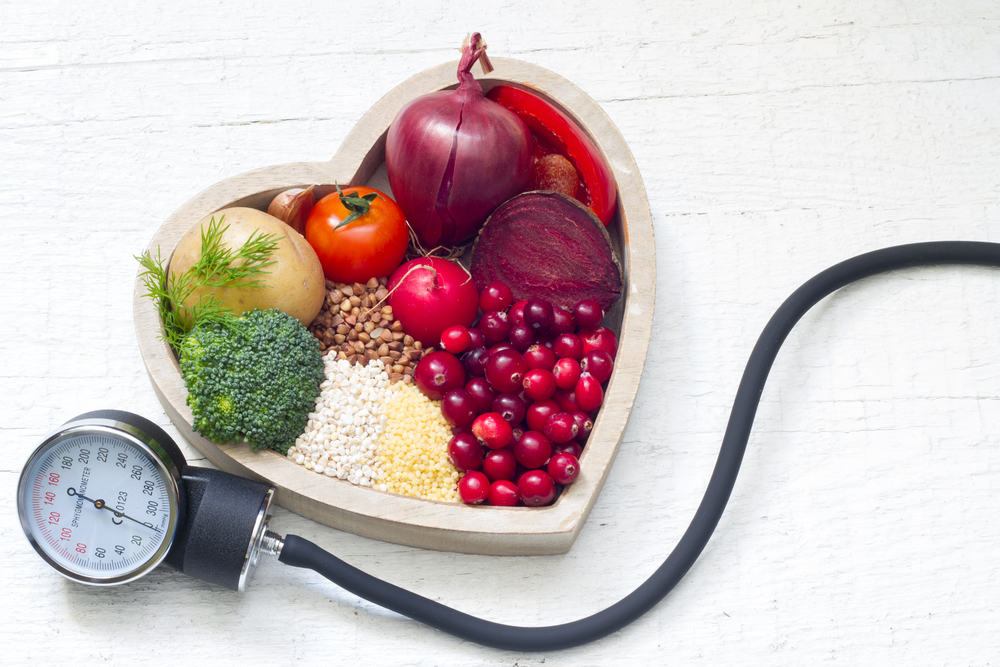
Daily meals shape blood pressure more than most people realize. Small habits, repeated each day, lead to meaningful results. Linda RD, offers personalized, expert nutrition counseling built around your routine, your readings, and your favorite foods.
A registered dietitian reviews each habit with care and designs a practical high-blood-pressure diet that Pleasanton residents can follow with ease. Steady, compassionate guidance turns healthy intentions into lasting daily routines.
Daily Routines Reveal the Link Between Meals and Readings
A blood pressure reading is a snapshot. Eating habits are the story behind it. The dietitian studies the full day, from the first cup of coffee to the last snack. This wide view shows where simple changes will help most.
- Morning choices: Breakfast meats and pastries can carry hidden sodium and refined starch.
- Midday meals: Restaurant and packaged lunches hold more salt than home-cooked food.
- Evening habits: Late, heavy dinners can disturb sleep, and poor sleep can raise blood pressure.
- Snack patterns: Chips and crackers add sodium quickly, while fruit and nuts add helpful minerals.
Once habits are visible, goals become clear. The dietitian marks two or three easy starting points. Each small win builds momentum for the next one.
Sodium Awareness Begins With Hidden Sources
Most sodium comes from packaged and restaurant foods, not the salt shaker. Adults exploring blood pressure nutrition in Lafayette learn to spot these sources and choose with confidence.
- Bread and rolls: A few slices a day can add several hundred milligrams.
- Canned soups and sauces: One serving may carry half a day’s limit.
- Deli meats and cheese: Curing and processing add large amounts of salt.
- Frozen meals: Convenience dinners vary widely, so label review matters.
National guidelines suggest limiting sodium to 2,300 milligrams daily, with 1,500 milligrams as an ideal goal for many adults with high blood pressure. The dietitian sets a personal target with your physician’s input. Herbs, garlic, citrus, and pepper then add bold flavor without extra salt.
Potassium, Magnesium, and Calcium Balance the Plate
Minerals work as a team. Potassium helps the body release extra sodium. Magnesium and calcium help blood vessels relax and tighten smoothly.
- Potassium sources: Bananas, sweet potatoes, spinach, beans, and yogurt.
- Magnesium sources: Almonds, pumpkin seeds, and whole grains.
- Calcium sources: Low-fat dairy, fortified plant milks, and leafy greens.
Adults with kidney disease need personal guidance on potassium. For this reason, the dietitian reviews lab results and medications first. Every suggestion then stays safe and effective.
The DASH Eating Pattern Becomes a Personal Plan
Research shows the DASH pattern can lower blood pressure within weeks, especially when paired with less sodium. A well-built high blood pressure diet in Pleasanton does not copy a chart. It adapts DASH to your schedule, culture, and taste.
- Half the plate: Vegetables and fruit in various colors.
- One quarter: Whole grains such as brown rice, oats, or quinoa.
- One quarter: Lean protein such as fish, poultry, beans, or tofu.
- Daily extras: Low-fat dairy and a small portion of healthy oil.
Favorite family recipes find a place in the plan. The dietitian adjusts seasoning, portions, and cooking methods, so meals stay familiar and satisfying.
Weight, Alcohol, and Caffeine Receive Individual Review
Even modest weight loss can help lower pressure for many adults. The dietitian sets gentle, realistic targets and avoids extreme rules. Progress stays steady and sustainable.
Alcohol and caffeine also affect readings. Heavy drinking raises pressure over time, so the dietitian suggests clear, personal limits. Caffeine causes a short rise in some people. Home readings show how your body responds, and the plan adjusts to match.
Linda RD Delivers Experienced, Compassionate Nutrition Care
Linda RD is led by Linda Michaelis, MS, RD, a dietitian with more than 25 years of counseling experience. Clients value her warm, practical style and her focus on enjoying food without deprivation.
- Experienced team: Jackie Peterson, RD, CDCES, adds depth in diabetes, kidney health, and family nutrition, and she speaks English and Spanish.
- Flexible visits: Clients can meet at the Alamo office or connect by phone, email, text, or Zoom.
- Insurance assistance: The practice verifies coverage and files claims electronically for many plans.
This blend of skill, kindness, and convenience keeps every blood pressure plan clear and easy to follow.
Consistent Follow-Up Builds Lasting Habits
Blood pressure changes take time. Follow-up visits keep each plan fresh and effective. Clients bring a simple home log of readings and meals. The dietitian searches for patterns and adjusts goals.
Brief messages between visits answer quick questions. When needed, the dietitian shares updates with your physician. This teamwork keeps every recommendation safe and consistent. Encouragement for each success keeps motivation high.
Begin Your Blood Pressure Wellness Plan With Linda RD
Every healthy habit starts with one decision. With expert guidance, daily meals become a steady ally for your heart. Adults seeking blood pressure nutrition in Lafayette will find a warm, knowledgeable registered dietitian at Linda RD, ready to build a plan around their life. Schedule a welcoming consultation with Linda RD today and take a confident step toward steadier readings.
Frequently Asked Questions
How quickly can eating changes lower blood pressure?
Many adults notice improvements within two to four weeks of consistent changes, especially with less sodium and more vegetables. Results vary by person. The dietitian reviews home readings at each visit and adjusts the plan with your physician’s guidance.
Do I have to give up salt completely?
No. The body needs some sodium. The goal is a smart limit, not zero. The dietitian helps you build flavor with herbs, spices, and citrus, so meals stay satisfying while sodium stays within a safe range.
Can nutrition counseling work alongside blood pressure medication?
Yes. Healthy eating and medication work toward the same goal. The dietitian shares progress with your physician and never changes prescriptions. Some foods, such as grapefruit or potassium-rich items, can interact with certain medicines, so careful review matters.
Is the DASH eating pattern difficult to follow?
Not with the right guidance. DASH uses everyday foods such as vegetables, fruit, whole grains, and lean protein. The dietitian adapts it to your culture, budget, and schedule, which makes the pattern simple to follow.
Can blood pressure nutrition counseling work through virtual visits?
Yes. Video and phone visits let the dietitian review food logs, home blood pressure readings, and goals just as thoroughly as office visits. Many clients value the convenience and keep appointments more consistently.
 For any additional inquiries : lifeweight1@yahoo.com